
The Complete Guide to Cleaning Solar Panels: Tools, Cleaners & Safety Tips
Your solar panels work hard every single day to convert sunlight into usable electricity. But dust, bird droppings, pollen, and airborne debris actively rob your system of the energy it should be producing.
Cleaning solar panels isn’t just a cosmetic chore but a critical maintenance step that protects your investment and keeps your system running at its best. Research shows that dirty panels can lose anywhere from 5% to 20% of their output efficiency, and in some high-dust environments, that figure climbs even higher.
You need to know the right tools, cleaners and safety tips to cleaning solar panels and to ensure maximum energy production. If you want to know how to choose the right solar panel cleaner, which solar panel cleaning tools actually work, and how to safely tackle cleaning solar panels on roof installations without putting yourself at risk, then this guide is for you.
Why Cleaning Matters: Boosts Efficiency and Extends Lifespan
On the surface of a solar panel, a little dust seems harmless because the sun is still shining, right? But even a thin, seemingly invisible layer of particulate matter on your panel’s glass surface can have a disproportionate impact on its performance. Solar photovoltaic cells are extraordinarily sensitive to the quality and quantity of light they receive. When grime builds up, it reduces brightness and blocks specific wavelengths of light that are most critical for energy conversion.
Studies from solar research institutions around the world have documented efficiency losses ranging from 5% to 20% due to soiling, with some desert-region panels losing even more between cleaning cycles. Regular cleaning solar panels closes that gap and restores your system to its designed output.
Hotspots: The Hidden Enemy
Beyond simple output loss, accumulated dirt, especially concentrated deposits like bird droppings, can cause what engineers call “hotspots.” A hotspot in a solar panel occurs when one section of a panel is shaded while the rest generates electricity normally. The shaded cells are forced to act as resistors, absorbing the energy generated by neighbouring cells as heat rather than passing it along.
Over time, this overheating degrades the cell structure, causes permanent damage and significantly shortens the panel’s operational lifespan. This is one of the most compelling reasons to clean the solar panels because stubborn deposits on the panel surface can create chronic hotspots that can reduce the effectiveness of your solar system. Thus, cleaning solar panel is not an option to maintain a sustainable energy source.
The Cleaning Challenges of Rooftop Installations
Cleaning solar panels on the roof presents challenges that ground-mounted systems simply don’t have. Rooftop panels tend to accumulate more debris because they’re exposed to a wider range of environmental inputs, including windblown dust and pollen, nesting birds, falling leaves from nearby trees, and roadside particulates. The accumulation rate can be significantly higher than what you expect from panels closer to the ground.
Moreover, cleaning solar panels on roof introduces genuine physical risks because working at height on sloped, potentially slippery surfaces demands careful planning. However, effective and safe cleaning must go hand in hand to get maximum energy production.
The Core Choice: Finding the Right Solar Panel Cleaner
Walk into any hardware store, and you’ll find dozens of general-purpose cleaning products. It’s tempting to grab whatever’s under the kitchen sink and head up to the roof, but when it comes to cleaning solar panel glass and frames, the choice of cleaner matters more than most people realise. Here, the wrong product can do more harm than the dirt itself to your solar system.
Dedicated Solar Panel Cleaner vs. Household Products
A purpose-formulated solar panel cleaner maintains a neutral pH and is non-corrosive, meaning it won’t attack the aluminium framing or the rubber seals around the panel edges. Most importantly, many dedicated solar panel cleaner products include anti-static agents that help repel dust after cleaning and slow the rate at which your panels get dirty again.
Whereas, common household detergents often contain surfactants, fragrances, and pH modifiers that leave residue on glass. Some leave a thin film that actually attracts more dust over time and offers the exact opposite of what you need.
What to Strictly Avoid
When cleaning solar panel surfaces, the following must be avoided entirely:
- Strong acids: Vinegar in high concentrations, rust removers, or lime-scale treatments must be avoided. These can etch the glass and damage anti-reflective coatings permanently.
- Alkaline cleaners: Bleach, ammonia-based products, or oven cleaners attack metal frames and seals, and accelerate corrosion.
- Abrasive cleaners or scrubbing powders: Even micro-abrasives can scratch the glass surface, create tiny crevices where dirt accumulates more easily and where light transmission is permanently compromised.
Waterless Cleaning Solutions: A Smart Alternative
Waterless solar panel cleaner products are a compelling option for homeowners in water-scarce regions or for those who want to avoid the risk of water spots and mineral deposits. Electrostatic dry-cleaning solutions use charge-based technology to lift and remove dust without any liquid and leave no residue behind. These products are particularly useful during dry seasons or in areas where tap water has a high mineral content.
Hard water can leave calcium and magnesium deposits on panels that are almost as problematic as the dirt you’re trying to remove, and a waterless solar panel cleaner eliminates that risk.
Essential and Advanced Solar Panel Cleaning Tools
Even the best solar panel cleaner can’t do its job if you’re applying it with the wrong equipment. The right solar panel cleaning tools make the difference between a safe, efficient clean and a frustrating or even dangerous experience.
Microfiber Mop or Pad
Microfiber is the gold standard material for cleaning solar panels because it’s non-abrasive, highly absorbent, and capable of trapping fine particles without scratching. A microfiber mop head attached to a flat applicator frame gives you excellent surface coverage with gentle, even pressure. This is an absolute must-have among solar panel cleaning tools.
Squeegee with Rubber Blade
After applying cleaner and loosening dirt, a good squeegee removes the dirty water efficiently and streak-free. Choose a squeegee with a soft, pliable rubber blade that makes full contact across the panel face. Window-cleaning squeegees work well, but wider blade heads (12–18 inches) are more efficient for the larger surface area of solar panels.
Telescopic Extension Poles
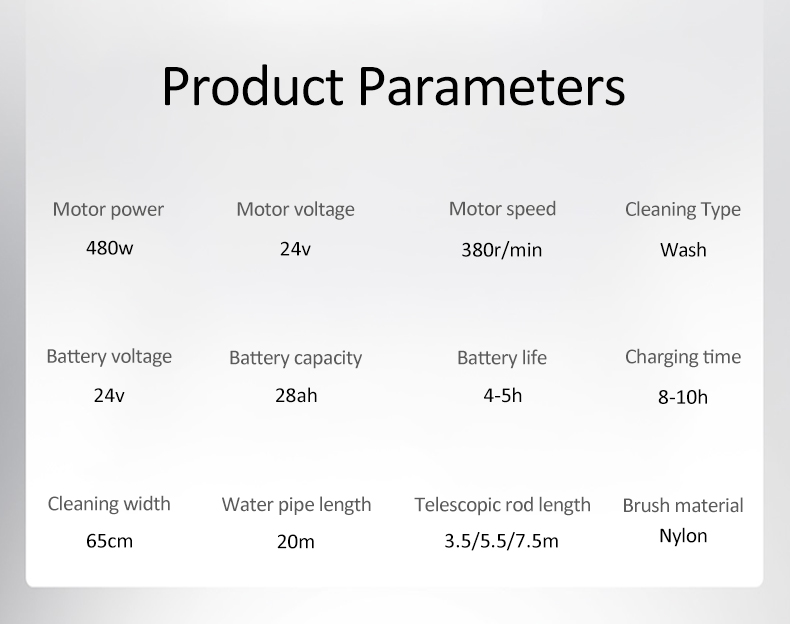
For anyone dealing with cleaning solar panels on the roof, telescopic poles are arguably the single most important safety investment you can make. A high-quality extendable pole, available in lengths from 6 feet to over 20 feet, allows you to reach panels from the ground or from a safe standing position on a ladder landing, without having to step onto the roof surface itself.
Most telescopic poles are compatible with both mop heads and squeegee attachments and are considered the versatile solar panel cleaning tools that form the backbone of a safe cleaning setup.
Advanced Tools for Larger or More Complex Installations
If you have large or more complex installations, then a set of advanced solar panel cleaning tools can dramatically improve efficiency and results.
- Rotating Cleaning Brushes: Soft-bristle rotating heads agitate and lift stubborn grime, including dried bird droppings, without requiring heavy scrubbing pressure that could scratch the glass.
- Water-Fed Pole Systems: These systems connect to your water supply and deliver a continuous flow of water through the pole to a brush head, and combine scrubbing and rinsing in a single pass.
- Deionised Water Systems: Deionised water systems eliminate the risk of mineral deposits and water spots by removing dissolved minerals from your water before it touches the panels. The panels dry spot-free.
Essential Safety Equipment for Rooftop Work
If cleaning solar panels on the roof cannot be avoided and you must physically access the roof surface, proper safety equipment is non-negotiable:
- A full safety harness with anchor points properly secured to the roof structure
- Non-slip footwear with rubber soles that grip roofing materials without any damage
- A fall arrester device that will engage automatically if you slip
However, the single best safety advice for cleaning solar panel surfaces on the roof is to use your telescopic pole from the ground whenever physically possible. The best solar panel cleaning tools are the ones that keep your feet on solid ground.
A Complete Workflow from Preparation to Finish: Step-by-Step Guide
Now that you know what to use, let’s walk through exactly how to use it. Whether you’re doing a quick monthly maintenance clean or tackling a panel that hasn’t been touched in over a year, follow these steps for effective cleaning solar panels.

Step 1: Safety and Preparation
Before you touch a single panel, shut down your solar system at the inverter and, if your setup allows, at the DC isolator switch.
Next, check the weather. The ideal cleaning conditions are overcast or early-morning hours when the panels are cool. Cleaning in direct midday sun causes the solar panel cleaner to evaporate too quickly and leave streaks and residue. Avoid cleaning on windy days when debris can be blown onto wet panels, and never clean when rain or frost is forecast within the next few hours.
Gather all your solar panel cleaning tools before you start: telescopic pole, microfiber mop, squeegee, your chosen solar panel cleaner, a bucket of clean water, and any safety equipment needed for your specific setup.
Step 2: Dry Cleaning – Remove Loose Debris First
It is essential to remove loose sand, dust, and leaf litter from the panel surface using a soft dry brush or a low-pressure air blower before any liquid cleaner. If you go straight to wet cleaning solar panels without this dry pass, you’ll be dragging abrasive grit across the glass under pressure, which risks micro-scratching the surface over time. Think of this as the dry preface that makes wet cleaning solar panels both safer and more effective.
Step 3: Wet Cleaning – Apply, Scrub, and Work Systematically
Apply your diluted solar panel cleaner to the microfiber mop head and work from the top of the panel downward. Use gentle, overlapping strokes. If you are cleaning solar panels on the roof from a standing position, keep your centre of gravity low and stable. Position your feet shoulder-width apart, perpendicular to the slope direction, and never reach so far that you shift your weight toward the panel edge.
Step 4: Rinse, Squeegee, and Final Inspection
After scrubbing, rinse each panel thoroughly with clean water, ideally deionised to remove any remaining cleaner residue. Follow immediately with the squeegee, drawing it across the panel face in a single smooth pass from top to bottom. Once the panels are clean and dry, take a few minutes to inspect them closely. Look for stubborn stains, persistent bird droppings, or hard-water deposits that may require a second targeted pass with your solar panel cleaner.
Check the frame edges and mounting hardware for signs of corrosion or physical damage while you have a clear view. A clean panel is also an inspected panel, and catching minor issues early prevents major repairs later.
Professional Service vs. DIY: Making the Right Choice for Your Situation
Once you understand what cleaning solar panels actually involves, a natural question emerges: should you do this yourself, or is it worth paying someone else? Both approaches have genuine merit, and the right choice depends on your specific circumstances.
The Case for DIY Cleaning
For most single-story homes with accessible, low-pitched roofs, DIY cleaning solar panel is a completely viable option. The upfront investment in quality solar panel cleaning tools and a good solar panel cleaner is typically a one-time cost of $50–$150 for a complete kit, and once you have the equipment, each subsequent cleaning costs almost nothing.
DIY also offers flexibility because you can clean on your schedule, respond quickly to a heavy pollen event or a bird nesting above your array, and develop a precise understanding of your own panels’ condition over time. Many homeowners find that cleaning solar panels once every 3𠄶 months is manageable and satisfying, particularly when they see the output data improve afterwards.
However, if your installation involves cleaning solar panels on the roof at a significant height, the risk profile changes substantially. No amount of saved money is worth a serious fall.
The Case for Professional Service
Professional solar cleaning services offer industrial-grade solar panel cleaning tools, deionised water systems, full safety certifications, insurance coverage, and trained technicians who work at height every day. For complex rooftop installations, multi-story buildings, or large commercial arrays, the professional route is the genuinely safer and more thorough option.
Beyond the cleaning itself, professional technicians double as inspectors. While they work, they can identify micro-cracks in panel glass, loose mounting brackets, degraded cabling insulation, and early signs of frame corrosion that a homeowner might easily miss.
How to Decide
- DIY is a smart, cost-effective choice for a single-story home, a gentle roof pitch, and being comfortable with heights.
- First time cleaning solar panels on the roof at significant height? Consider professional service, at least initially.
- If you have a large commercial installation or high-output residential array, professional cleaning solar panel with deionised water systems will deliver measurably better results and comprehensive inspection value.
Conclusion
Solar panels are the most durable, low-maintenance technologies you can install on your home. Regular cleaning solar panels is the single most impactful thing you can do to ensure your system consistently delivers on its promise.
The right solar panel cleaner protects your panel’s glass and anti-reflective coatings from damage while effectively removing the dirt, dust, and biological deposits that silently drain your output. The right solar panel cleaning tools, especially telescopic poles, microfiber applicators, and squeegees, give you the reach and control to do the job safely and thoroughly.
Take stock of your setup, build a cleaning schedule that fits your environment and roof type, and commit to it. In most climates, cleaning every one to three months is a sensible starting point — more frequently if you’re near agricultural land, construction sites, or areas with heavy bird activity. Track your inverter output data before and after each clean to see the impact in real numbers.
Related Articles
5 Minutes to Clean Your Solar Panels
A complete guide to fast, efficient solar panel cleaning that saves you time and boosts output.
How to Install Solar Panel Cleaning Brush?
Step-by-step installation guide for solar panel cleaning brushes on any rooftop setup.
TOP 5 Best-Selling Solar Panel Cleaning Brushes
Buyer reviews and expert feedback on the top-rated solar panel cleaning brushes.